
You’re Not Controlling. You’re Bracing.
This is part of a series starting with Trust Yourself Again then You’re Not Controlling then How to Trust Yourself then How to Stop Over Explaining then Let Ease, Success, Joy Feel Safe
I used to walk into a room already managing it.
Before anyone said a word. Before anything even happened. I was already three steps ahead, reading the energy, calculating who was going to say the wrong thing and how I was going to redirect it before it landed.
When you're younger and the room feels uncomfortable you can't just leave. Where are you going to go? You learn to manage it instead. You learn to read the temperature before it rises, smooth things over before they get bumpy, keep the peace because the alternative feels worse.
But as an adult you get to make new choices. And leaving a situation — physically, emotionally, or just keeping your mouth shut and taking a slow breath — is a valid one. I had to figure that out myself.
If you've ever been called controlling and it stung deep in your heart — I understand. I have felt that deep sting too and wished I could just explain what was really happening. But it's hard to explain something you haven't yet figured out. And even harder to tell someone who doesn't want to listen.
Someone else might call your actions controlling. I call these reactions bracing. Anticipating the worst and trying to keep the temperature in the room cool before things get heated.
And once you can see the difference something in you relaxes — because you stop thinking there is something wrong with you and start noticing and understanding a pattern that you thought was keeping you safe.
You’re not controlling -
You’re bracing.
What Bracing Actually Looks Like
It really doesn't look like anything. It's a feeling. A sense. A quiet urgency to change the course because you see danger ahead or your anxiety is creeping up a notch.
It's the way you monitor the mood in the room by scanning faces and body language before anyone even realizes you are standing there. The way you read a text three times trying to figure out what they really meant. The way you rehearse the conversation in your head before it happens — running every version of how it could go wrong so you're ready for all of them.
It's the apology you give before anyone is even upset. The way you can't fully relax until everyone else is okay.
That is not being difficult. That is not controlling. That's a response system you learned a long time ago to keep the peace in a house that wasn't always peaceful.
And it worked. Until it didn't.
The One Thing That Helps Me Pause
When I feel it coming — the urgency, the scan, the need to step in — I've learned to stop and ask myself one thing.
What am I afraid will happen if I don't manage this?
Just that one question.
Because underneath every bracing reaction there is a fear. And when you can name the fear you don't have to react on it anymore.
For me the answers to the question “what am I afraid will happen” have sounded like:
Someone is going to get their feelings hurt and I am going to be in the middle of making each person see the other's perspective — which is exhausting.
I'm going to say the wrong thing and spend the next three days getting the silent treatment.
If I don't divert the conversation it's going to blow up and the holiday will be ruined.
Those fears came from somewhere real. A house, a relationship, a season of life where staying ahead of the problem actually was the only way to keep things from falling apart or so we thought.
But most of the time when I ask myself that question now I realize the danger I'm sensing isn't actually in the room. It's a memory of a room I used to be in.
I remind myself I am not in that room anymore and that changes everything. I don’t have to react or try to manage the sitution.
What To Do With It This Week
This week is not about fixing anything. It's just about noticing.
When you feel the anxiety rise — pause. Take a breath. Ask yourself what you're afraid will happen. And then see if you can let the moment play out without stepping in.
I know that sounds simple. It is not simple. The first few times you try it your whole body is going to want to squirm. That's okay. Notice that too.
Yoga has helped me with this discomfort more than I expected. Hot yoga isn't for everyone and it is absolutely uncomfortable when you first enter the room — but it teaches you to focus on your breath, to be okay with the discomfort, and to put your energy and attention on something other than the heat or the pose you feel like you have been holding much too long. It has taught me that in those moments when the room feels uncomfortable I don't have to try to change it or the people in it. I can notice it, feel it and breathe through it.
That's all I'm inviting you to do this week. Notice the feeling. Feel it. Breathe through it.
No hot yoga class needed — because I know some of the rooms you enter are already heated enough.
And if it's too much — if the room feels like more than you can sit with — excuse yourself. Get some water. Step outside for a minute. Leaving is a choice you get to make as an adult that you may not have had access to when you were younger.
One breath or one exit. That's what I am offering you this week.
You Don't Have to Figure This Out All At Once
This is not a personality overhaul. This is not a self-improvement project with a deadline. This is just you, starting to notice a pattern that has been running quietly in the background for a very long time.
And noticing is enough. For this week, noticing is everything.
You didn't learn to brace overnight. You're not going to unlearn it overnight either. But every time you pause instead of react, every time you take the breath instead of filling the silence, every time you ask yourself what you're actually afraid of — something in you shifts a little. The pattern loosens just enough to let your shoulders drop.
Be patient with yourself this week. The version of you that learned to read every room, manage every temperature, and stay three steps ahead of every possible blow up — was doing the best she could with what she had.
She still is doing the best she can. I know I don’t have it all figured out but I am showing up in new ways and it makes a difference.
The difference now is you get to decide what keeping yourself safe actually looks like. And it doesn't have to look like bracing anymore.
A Next Step
If your inner critic has been piping up while you read this — I should be further along by now, I shouldn't still be doing this, what is wrong with me — my free Self-Compassion Affirmation Finder was created for the moments we need to be kinder to ourselves.
Grab it here.
And if you want the rest of this series in your inbox every Sunday — Week 2 is coming and it's about learning to trust your own signal again — the newsletter is where to find the latest posts first The Calm Clarity Edit. Quiet, useful, no noise.
If you want to read the kick off post How to Trust Yourself When You are Tired of Holding It All Together you can find it here.
“Less Noise. More You.”
Frequently asked questions
What is the difference between being controlling and bracing?
Controlling comes from wanting things a certain way. Bracing comes from fear — specifically the fear of what happens if you don't step in. If you're managing situations to keep everyone comfortable while your own anxiety quietly spikes, that's not control. That's a learned response from a time when staying ahead of the problem was the only way to feel safe.
Why does it feel so urgent when I sense the room shifting?
Because at some point in your life that shift meant something was coming. You learned to read it early and act fast. That instinct made complete sense then. The question now is whether the danger you're sensing is actually in this room or whether it's a memory of a room you used to be in.
What if I try to pause and I just can't?
Then you leave. You get some water. You step outside. You excuse yourself and take a breath where nobody is watching. Removing yourself from the situation is not failure. It's a choice you get to make as an adult that you may not have had access to when you were younger. Start there.
How do I know if my bracing is actually protecting me or just exhausting me?
Ask yourself how you feel after. Real protection leaves you feeling settled. Bracing leaves you depleted — and usually the thing you were trying to prevent either happened anyway or didn't need preventing in the first place. If you finish most gatherings feeling like you ran a marathon nobody else knew they were in, that's the answer.
Is it possible to change this pattern?
Yes. It starts with noticing. Not fixing, not overhauling — just catching the moment it shows up and asking yourself what you're afraid of. The pattern loosens from there, slowly and quietly, one breath at a time.
A gentle note from me
Everything I share here comes from my own lived experience and the work I am actively doing in my own life. This space is for reflection, encouragement, and gentle practice — it is not therapy, medical advice, or a substitute for professional mental health care. If something in this post lands heavier than you expected, or surfaces something that feels bigger than a tender moment, please reach out to a licensed therapist, counselor, or trusted healthcare provider. Coaching is a beautiful complement to that kind of support, never a replacement for it. You deserve real care.Other content you may enjoy:


* This post may contain affiliate links, which means I may earn a small commission (at no extra cost to you) if you decide to purchase through my links. 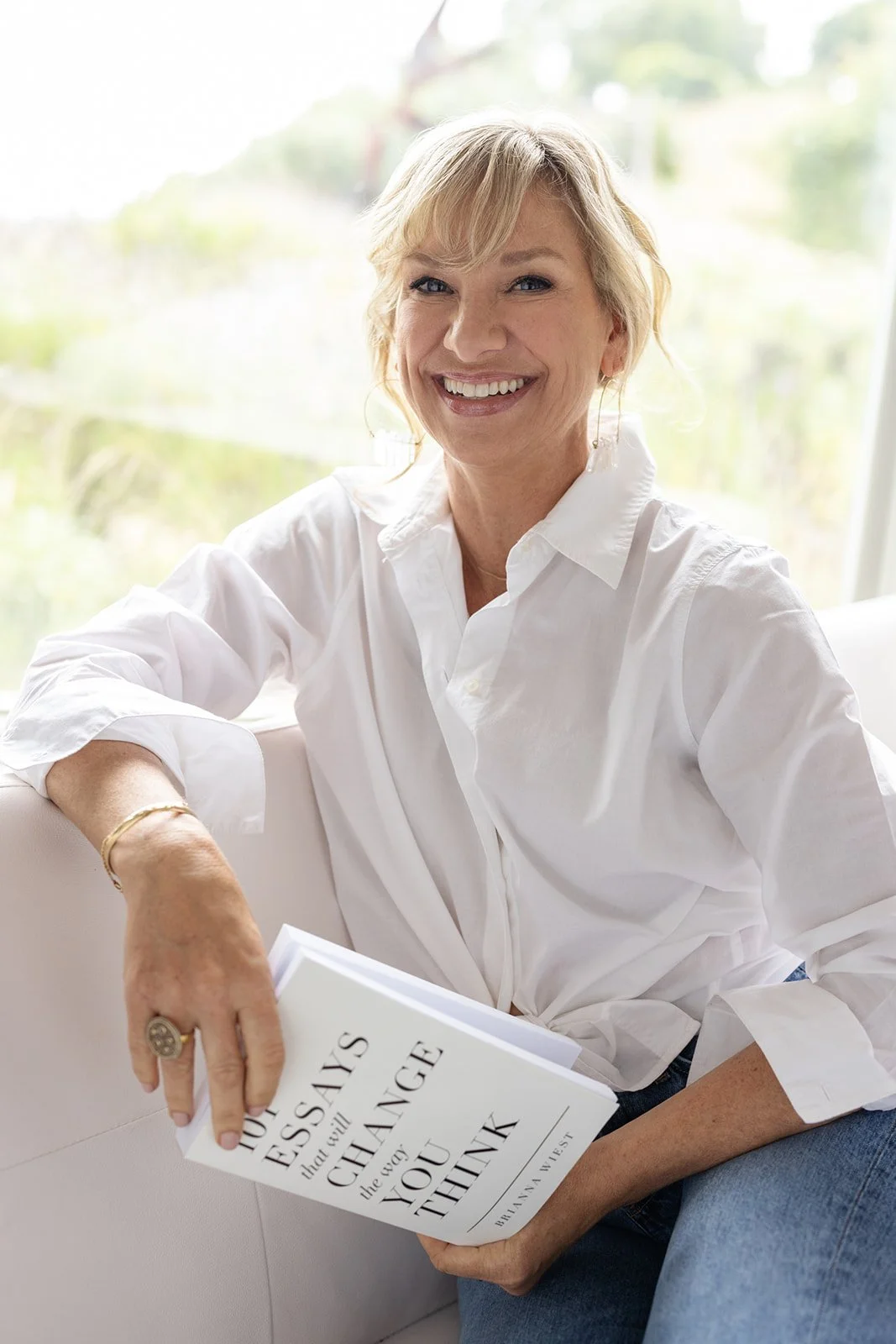
Hi! I’m Sandra
I help women whose lives look good but don’t feel good start choosing themselves again.
Follow & Like
Sign up for The Monthly Calm Clarity Edit Newsletter
Discover More


I went back on Bumble because a friend made it sound fun. A few profiles, some questionable photos and one cancelled date later, I found myself asking a very different question about modern dating.